See
Match your result to a specific symptom, not a vague label.
Cooking troubleshooting first. Recipes built to prevent the failure.
Describe what happened and start with the symptom. CookClue helps you narrow the cause, rescue the batch when possible, and fix the next one.
Start where it failed
Each section groups problems that behave differently in the kitchen, so you can diagnose instead of guess.
Diagnose texture, binding and structure problems in meatballs and other ground-meat mixtures.
Diagnose cakes, cookies, brownies and other baking failures.
Troubleshoot bread, yeast and dough problems.
Diagnose split, grainy, oily and thin sauces.
Fix texture and cooking-process problems with rice and pasta.
Troubleshoot mashed, roasted and fried potato texture.
Diagnose buttercream and icing problems.
Diagnose coating, crust, oil-temperature and frying failures using observable clues from before, during and after frying.
Popular problems
Flat cookies happen when the dough spreads before enough structure forms to hold the cookie shape. Check dough temperature, ingredient balance, baking-sheet temperature, the baking surface and actual oven temperature before changing the whole recipe.
Open diagnosisA grainy cheese sauce can be an overheated protein problem, a broken emulsion, a roux problem, or a reheating problem. First check whether the sauce is also oily and when the graininess appeared.
Open diagnosisMushy rice usually means the grains absorbed more water than needed or stayed in a wet cooking environment too long. First distinguish truly mushy grains from rice that is merely sticky or gummy.
Open diagnosisIf you see distinct cooked egg curds, the pasta or pan was too hot when the egg mixture went in. If the sauce is smooth at first but tightens into a thick clump, the more likely problem is too little pasta water or too much residual heat. Carbonara needs enough heat to thicken the egg-and-cheese mixture, but not so much that the eggs seize.
Open diagnosisThe first thing to check is whether the pasta ever spent time in the sauce. If sauce is simply ladled over drained noodles, it has less chance to emulsify with the pasta's surface starch. Reserved pasta water, finishing the pasta in the sauce and avoiding an oil-coated noodle surface all help create a sauce that clings instead of sliding to the bottom of the bowl.
Open diagnosisStart with reduction before adding a random thickener. If the chili is still actively simmering and tastes diluted, uncover it and let water evaporate. If a white chili has beans or tortillas in the formula but still looks brothy, the thickening ingredients may not have had enough time to hydrate and break down.
Open diagnosisIf the noodles were good when freshly cooked but became swollen and soft later, storage in the broth is the main clue. Pasta keeps absorbing liquid as soup sits. If the noodles were already soft in the first serving, they were probably cooked too long or added too early.
Open diagnosisIf the soup turned stretchy, sticky or paste-like immediately after blending, overprocessing the potatoes is the strongest clue. High-starch potatoes release more starch when their cells are aggressively broken, and a blender or food processor can turn a creamy soup gummy very quickly.
Open diagnosisFirst decide whether the problem is true sharp acidity or a bitter metallic flavor. Tomatoes are naturally acidic, but reactive cookware can add a metallic edge that tastes like a worse acidity problem. For true sharpness, balance first with cooked aromatics, fat and seasoning; if necessary, use only a tiny measured acidity correction rather than dumping in sugar.
Open diagnosisCheck the batter before blaming the pan. If it was stirred until perfectly smooth, overmixing is the first suspect. If it rested for a very long time after leavening was activated, the batter may have lost lift. If pancakes spread thin immediately, the batter may be too loose; if they stay thick but heavy, flour measurement or inactive leavener becomes more likely.
Open diagnosisFirst check when the waffle became soft. If it leaves the iron pale and flexible, it was probably undercooked or the iron was not fully hot. If it leaves crisp but softens while waiting, trapped steam from stacking or plating is the stronger clue. If the batter was beaten aggressively, excess gluten can also make the texture tough rather than light and crisp.
Open diagnosisA soggy center usually comes from the balance between bread dryness, soak time, slice thickness and pan heat. Bread that is very fresh or soaked until fragile can take on more custard than the skillet can set before the outside browns. If the surface gets dark while the middle stays wet, reduce the heat and give the center more time.
Open diagnosisCook it right from the start
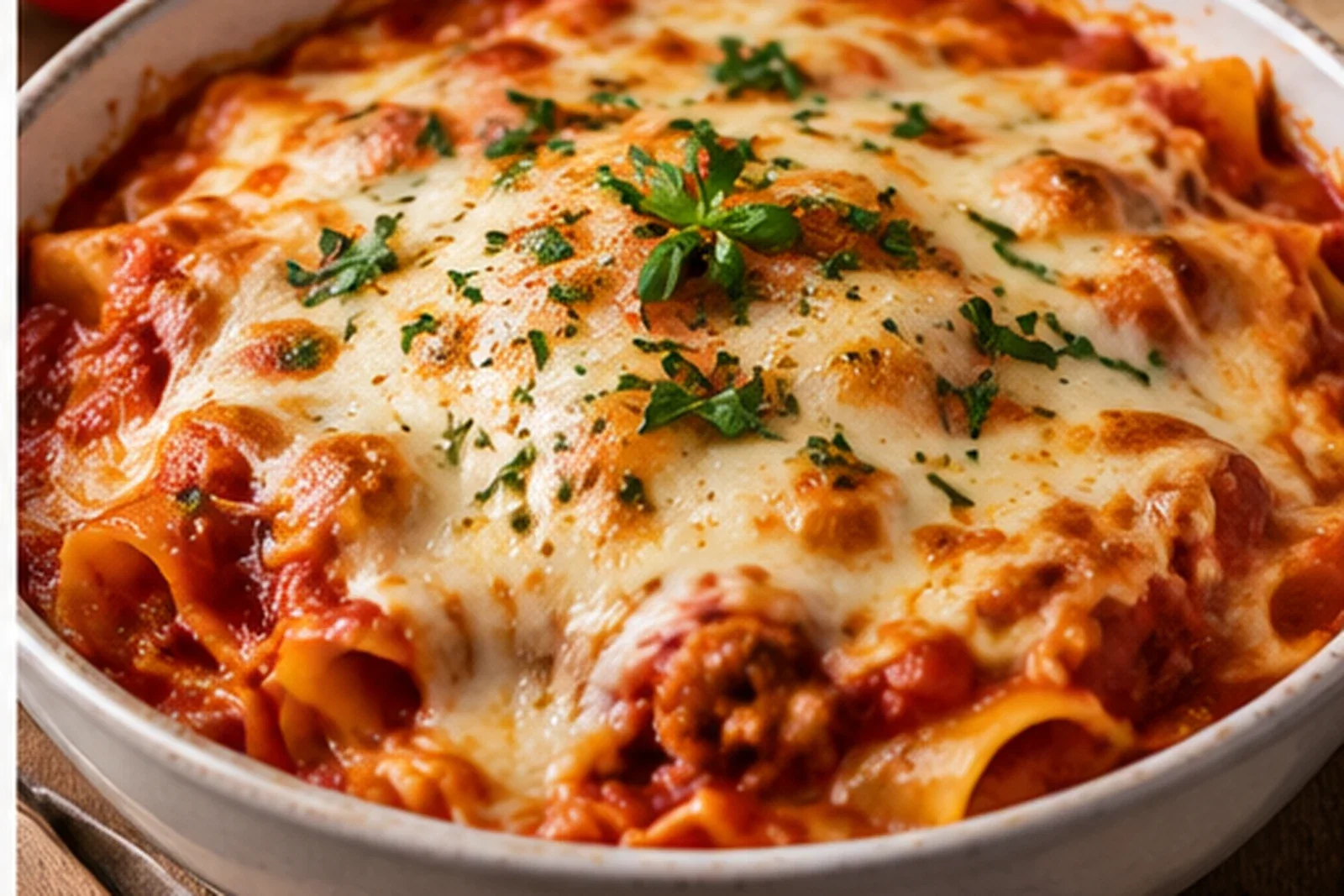
Saucy baked ziti assembled with al dente pasta, tomato sauce, ricotta, mozzarella and Parmesan so the noodles finish tender without turning gummy.
Cook with checkpoints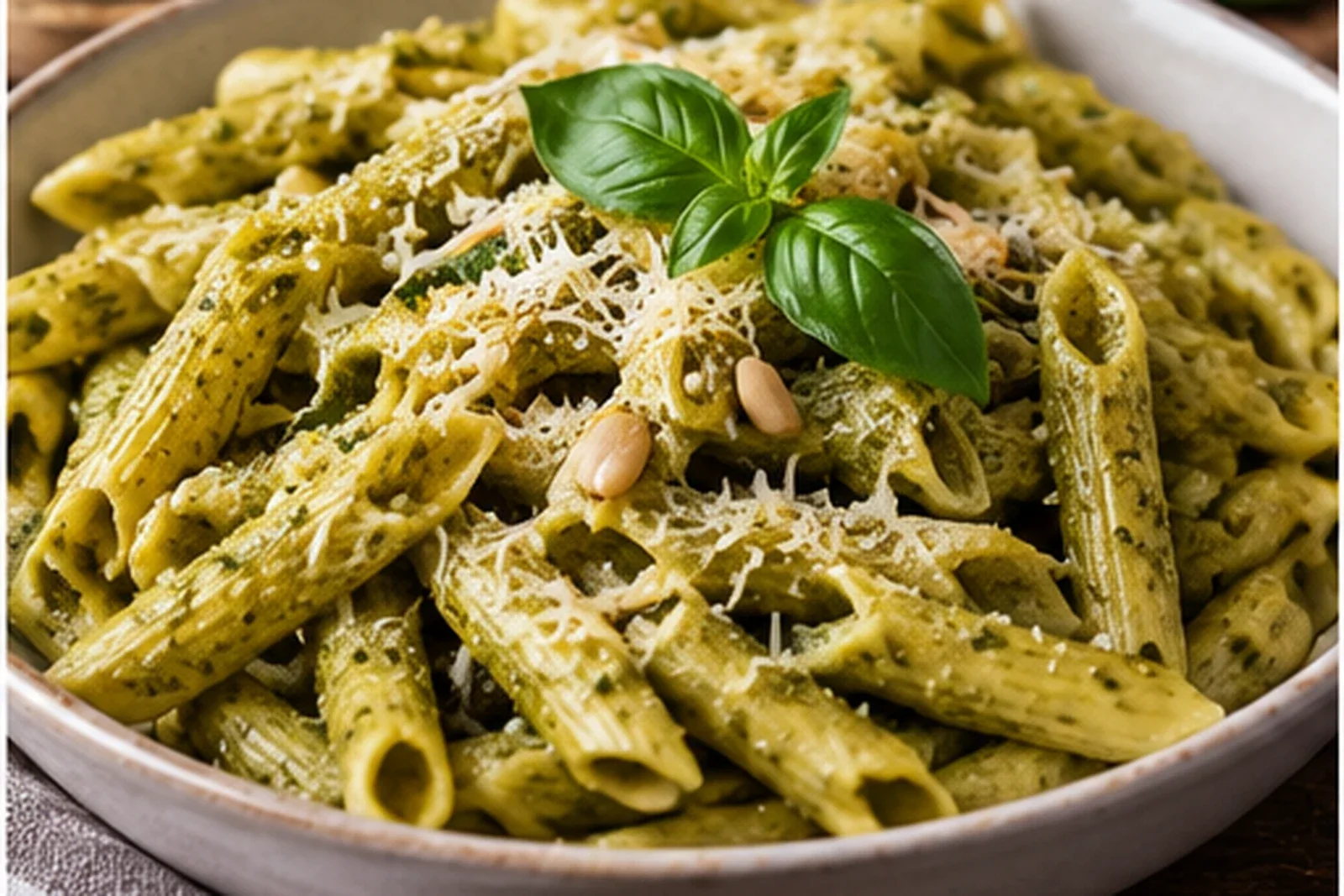
Fresh basil pesto loosened with starchy pasta water and tossed with hot penne off direct heat so the sauce stays aromatic and coats every tube.
Cook with checkpoints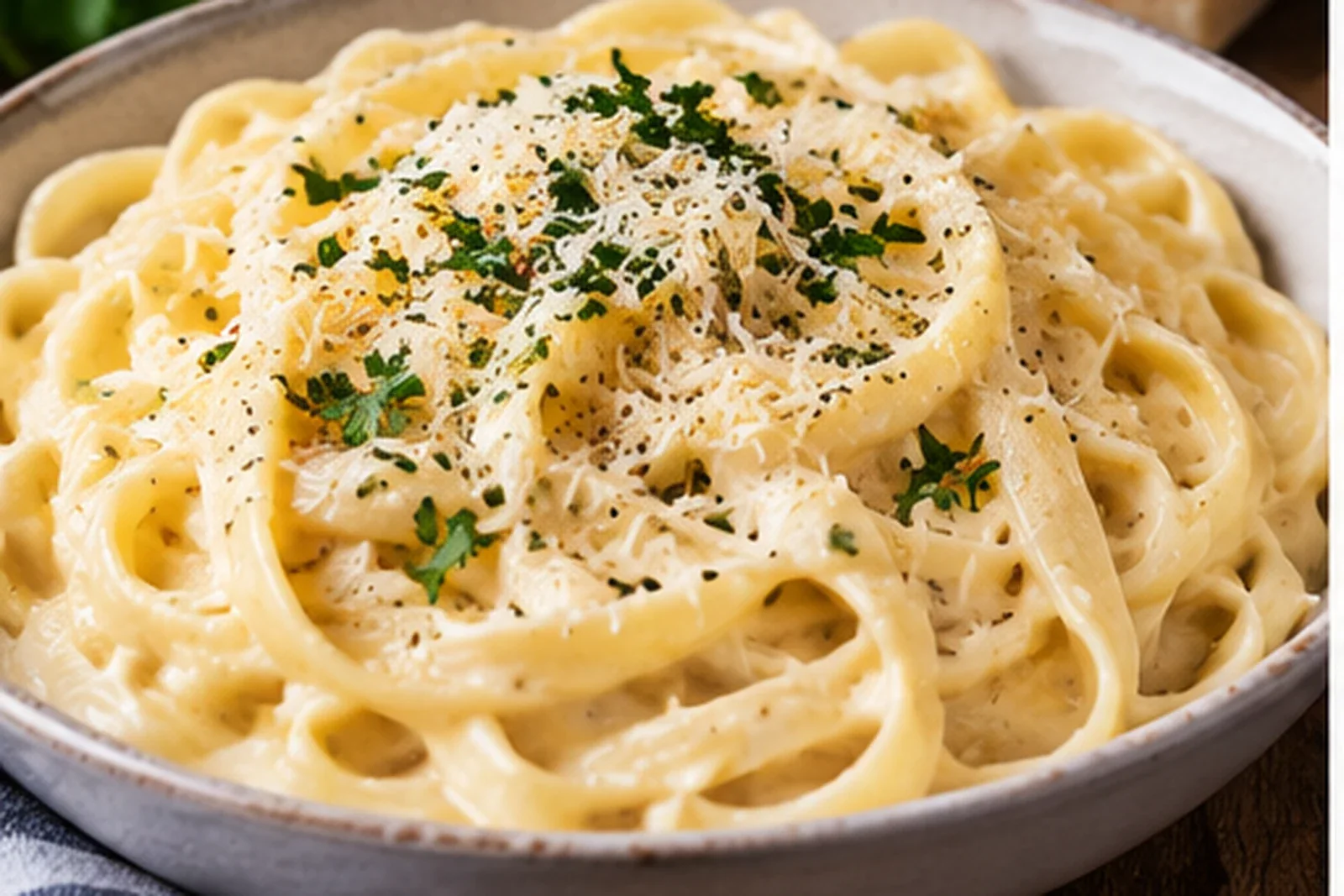
Fettuccine tossed with warm cream, butter, Parmesan and reserved pasta water for a smooth sauce that coats every ribbon.
Cook with checkpoints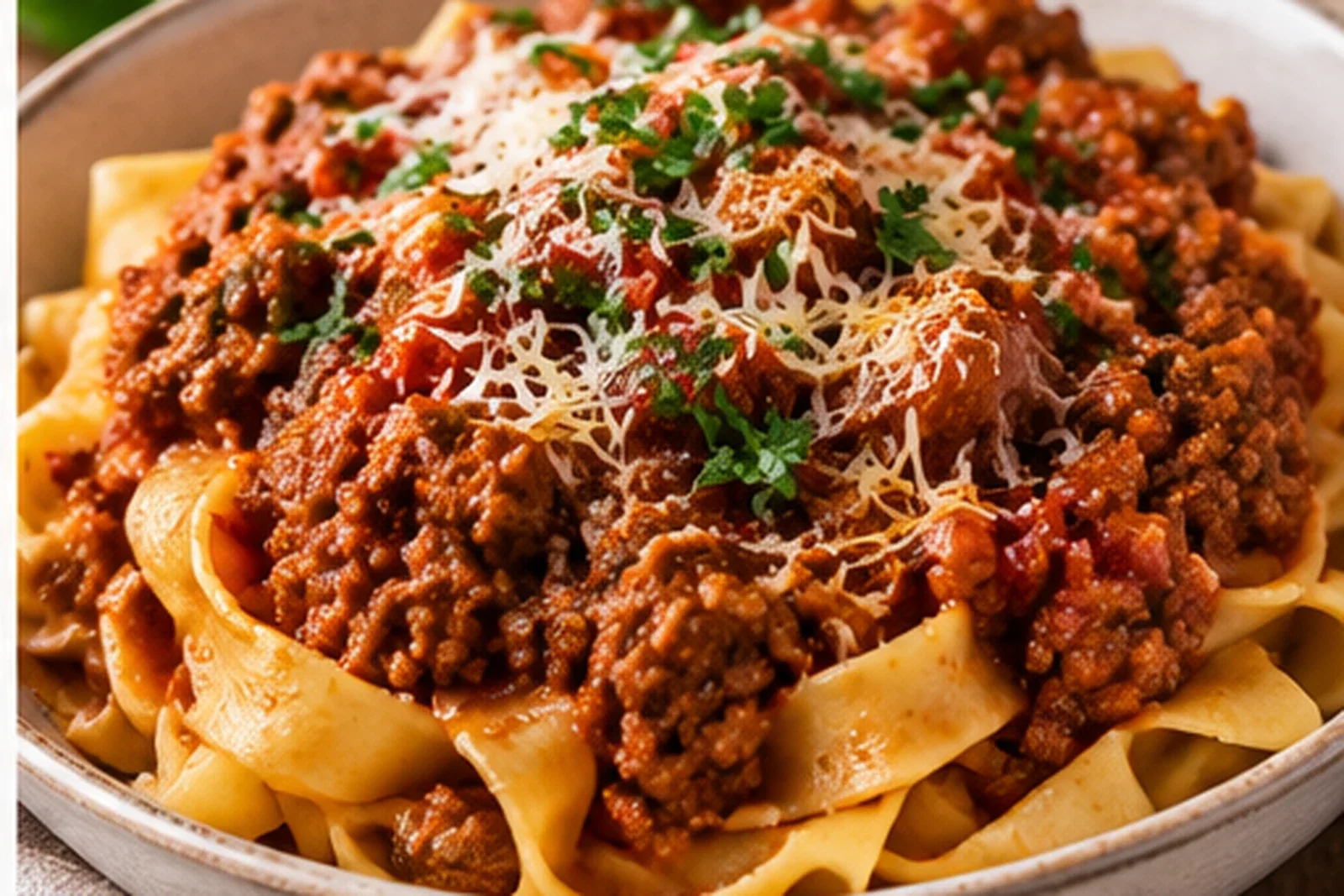
A long-simmered beef-and-pork ragù tossed with pasta before serving so the meat sauce coats the noodles instead of sitting only on top.
Cook with checkpoints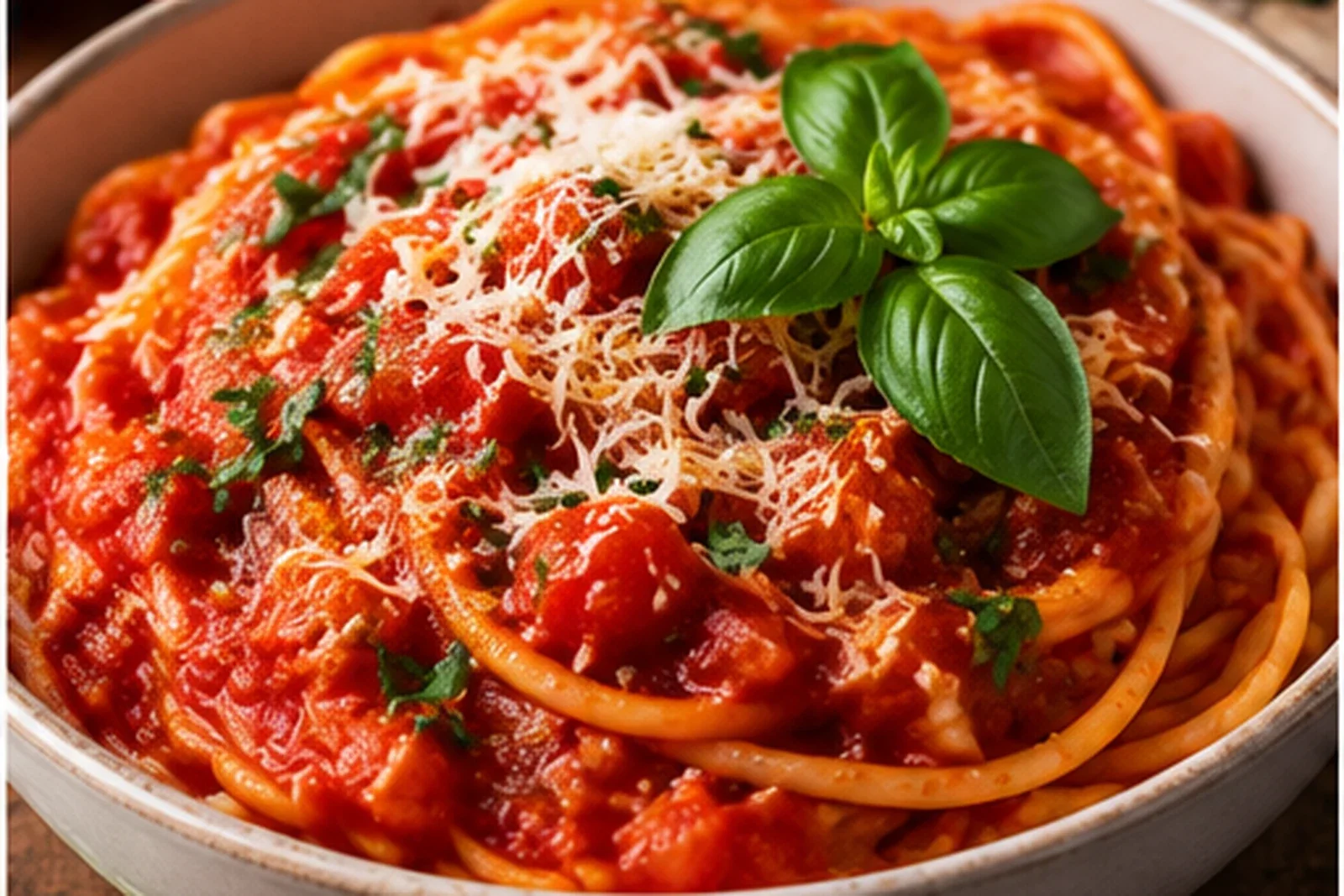
Spaghetti finished directly in a bright tomato sauce with pasta water, butter, basil and olive oil so the sauce coats instead of sliding off.
Cook with checkpoints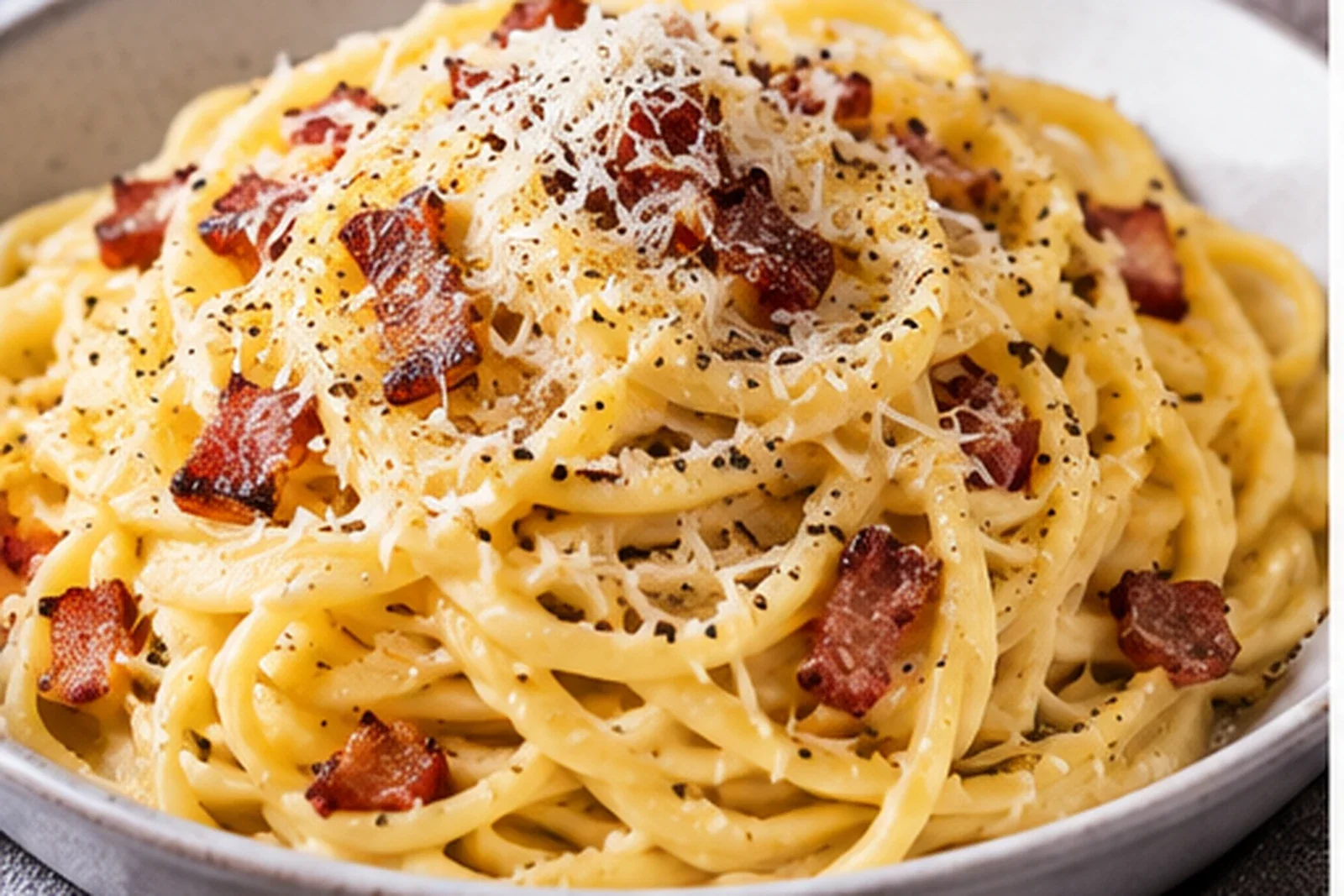
A silky egg-and-cheese carbonara finished with hot pasta and reserved cooking water so the sauce emulsifies instead of scrambling.
Cook with checkpointsBuilt differently
Most troubleshooting pages throw every cause into one list. CookClue starts with the appearance of the failure, asks what changed, then tells you what to check before you modify the whole recipe.
How we build a diagnosisMatch your result to a specific symptom, not a vague label.
Change one variable at a time and verify the most likely cause.
Rescue the current batch when possible, then prevent a repeat.