Before you start
What this method is trying to achieve
Sugar cookies can be soft and tender without losing their shape. Weigh the flour, keep the butter at proper room temperature, cream only until light, mix the flour just until moistened, and bake on cool parchment-lined sheets in a fully heated oven.
Success looks like
Know the target before you cook
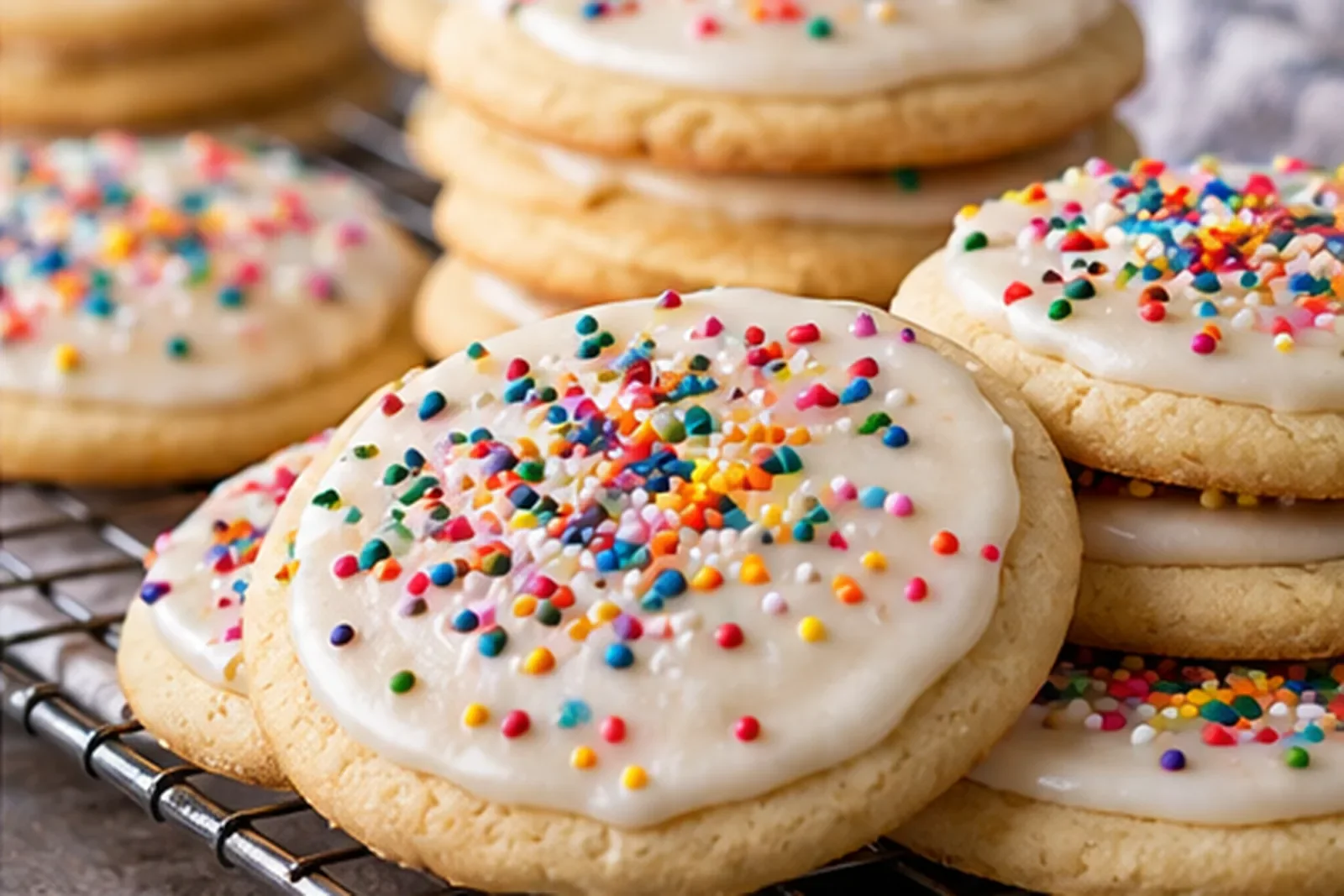
The baked cookies should be evenly round with lightly browned edges, a tender center and controlled spread rather than thin greasy disks.
Ingredients
What you need
Dough
- 360 g all-purpose flour
- 1 tsp baking powder
- 1/4 tsp baking soda
- 3/4 tsp table salt
- 227 g unsalted butter, cool room temperature
- 248 g granulated sugar
- 57 g cream cheese, optional for a puffier cookie
- 1 tsp vanilla extract
- 1/4 tsp almond extract
- 1 large egg
Coating
- 149 g granulated sugar
Method
Cook by the cues, not just the clock
Prepare pans and dry ingredients
Heat the oven to 375°F and line cool baking sheets with parchment. Whisk flour, baking powder, baking soda and salt together.
Cream the fat and sugar
Beat the butter, sugar and optional cream cheese only until light and fluffy, then beat in the extracts and egg.
Add the flour mixture
Mix in the dry ingredients at low to medium speed only until the dough is evenly moistened.
Portion and shape
Scoop tablespoon portions, roll in sugar, space about 2 inches apart and flatten to roughly 1/4 inch thick with a flat-bottomed glass.
Bake and cool
Bake 10 to 12 minutes, until the edges only begin to brown. Cool on the pan for about 5 minutes, then transfer to a rack.
Critical checkpoints
Stop here and check
Is the butter cool-room-temperature, not melty?
The butter yields to a finger but still feels cool and holds its shape.If it is shiny or partially melted, cool it before creaming.
Are you using a cool lined pan?
The sheet pan is cool to the touch and lined with parchment rather than heavily greased.Rotate to a second cool pan or let the used pan cool before loading the next batch.
Did the cookies flatten excessively?
The cookies spread into thin, greasy disks or merge together instead of holding controlled round shapes.Use CookClue’s cookies-flat diagnosis to check butter temperature, flour/sugar ratios, dough temperature, baking surface and oven heat.
If yours looks different
Route the failure before changing the recipe
After cooking
Storage, reheating & substitutions
Storage
Cool completely and store airtight at room temperature. Freeze baked cookies or portioned dough for longer storage.
Reheating
No reheating is necessary. If frozen, thaw covered so condensation does not collect directly on the cookies.
Substitutions
Cream cheese produces a puffier, more cake-like cookie in the reference formula; omitting it produces a flatter, crisper style. Do not change flour and sugar ratios casually if spread control matters.
Evidence
Sources & methodology
Technical claims and method decisions are tied to sources. Recipe-specific advice is not presented as a universal food-science law.
- Sugar CookiesKing Arthur Baking
King Arthur’s sugar cookie formula uses weighed flour, butter, sugar, optional cream cheese, egg and leaveners; the cookies are spaced 2 inches apart, flattened and baked until the edges barely begin to brown.
publisherPassage verified - Why did my cookies come out flat?King Arthur Baking
King Arthur lists over-creaming, too little flour, insufficient chilling, unsuitable baking surfaces and a cool oven among major causes of flat cookies, and recommends weighing ingredients and controlling dough and pan temperature.
publisherPassage verified