Before you start
What this method is trying to achieve
The safest way to keep yogurt smooth in this curry is to separate the high-heat cooking stage from the yogurt finish. Brown the aromatics and cook the tomato-spice base thoroughly, simmer the chicken until safe and tender, then lower the heat before adding full-fat yogurt gradually.
Success looks like
Know the target before you cook
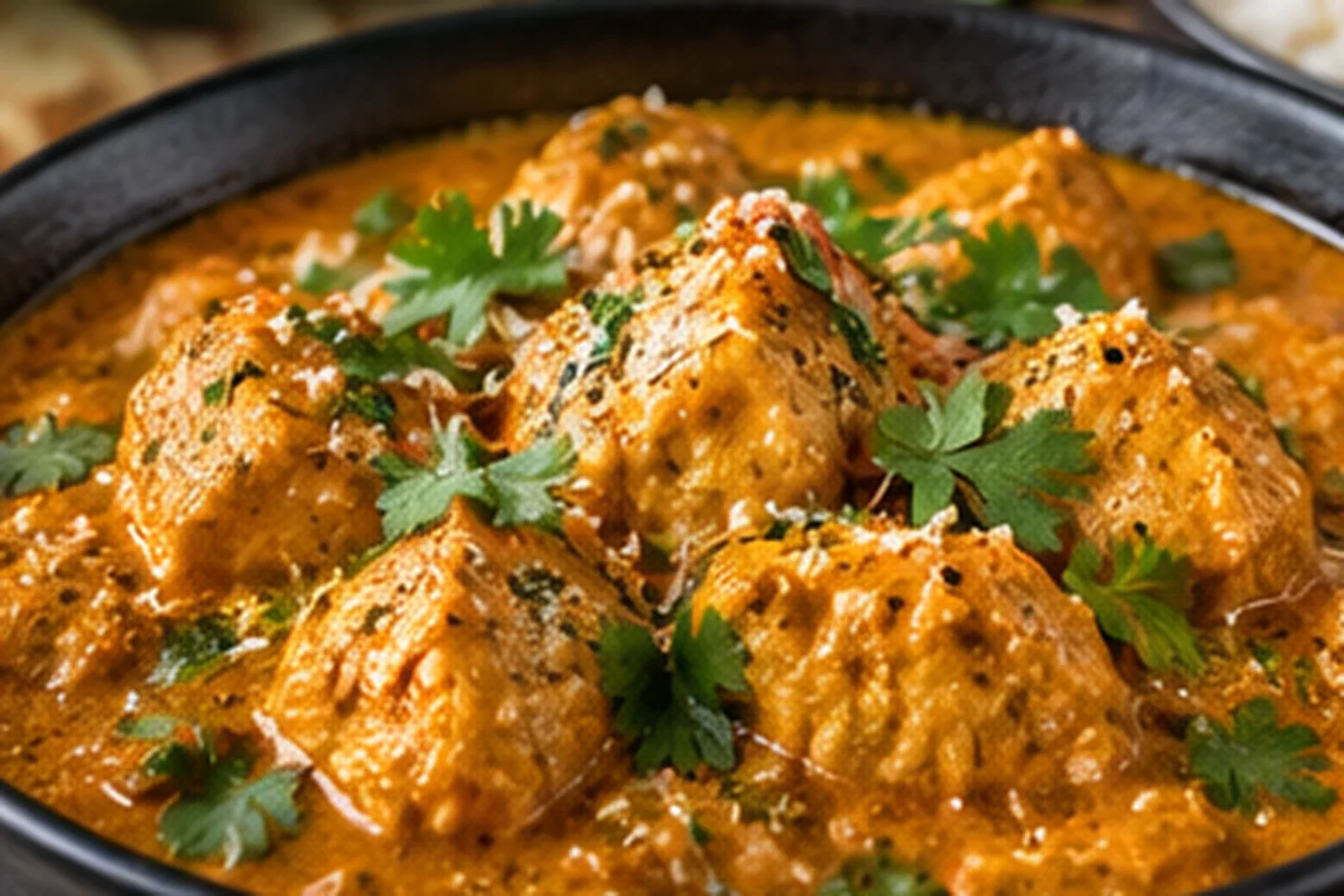
The curry should have tender chicken in a cohesive creamy tomato sauce, with no grainy white yogurt curds or watery whey separation.
Ingredients
What you need
Base
- 2 tbsp canola or peanut oil
- 1 tsp cumin seeds
- 1 medium red onion, finely chopped
- 400 g canned whole tomatoes, drained, juice reserved
- 5 cloves garlic
- 35 g fresh ginger, peeled — About a 1 1/2-inch piece.
Spices
- 1/4 tsp ground turmeric
- 1/2 tsp paprika
Chicken
- 900 g boneless skinless chicken thighs, cut into large bite-size pieces — About 2 pounds.
Sauce
- 360 ml reserved tomato juice plus water — Enough combined liquid for a gentle simmer.
Finish
- 120 g full-fat plain yogurt, room temperature — Greek-style works well.
- 1 tsp garam masala
- 20 g fresh cilantro, chopped
Seasoning
- kosher salt — To taste.
Method
Cook by the cues, not just the clock
Build the base
Heat the oil over medium heat, add cumin seeds and cook until fragrant. Add the onion and cook until deeply softened. Blend the tomatoes with garlic, ginger, turmeric and paprika, then add that puree to the pot.
Cook chicken
Add the chicken, season lightly and stir until the pieces turn opaque on the outside and the sauce clings to them.
Simmer
Add the reserved tomato juice and enough water for about 360 ml / 1 1/2 cups liquid. Bring to a boil, then reduce to a gentle simmer until the chicken is tender and every piece reaches at least 74°C / 165°F.
Temper the heat
Reduce the heat to low or move the pot off the burner for a minute so the sauce stops boiling aggressively.
Add yogurt gently
Stir a spoonful of hot curry sauce into the room-temperature yogurt, then stir the warmed yogurt mixture gradually back into the curry. Add garam masala and cilantro and heat gently without boiling hard.
Critical checkpoints
Stop here and check
Before yogurt: is the chicken already safely cooked?
The thickest chicken pieces read at least 165°F / 73.9°C.Finish cooking the chicken before the gentle yogurt-finishing stage.
At yogurt addition: is the curry below a hard boil?
The sauce is hot but no longer rolling or spitting violently.Lower the heat or move the pot off the burner briefly before adding yogurt.
Yogurt turned grainy or separated?
White curds, watery whey or a broken grainy sauce appear after the yogurt goes in.Use CookClue's yogurt-curdled-in-curry diagnosis to distinguish heat, yogurt choice and acid-related causes.
If yours looks different
Route the failure before changing the recipe
After cooking
Storage, reheating & substitutions
Storage
Cool promptly and refrigerate covered. Reheat only the amount you need.
Reheating
Reheat gently over low to medium-low heat while stirring. Avoid bringing a yogurt-finished curry to a hard rolling boil.
Substitutions
Whole-milk Greek-style yogurt is especially convenient because it has less free whey. Low-fat yogurt is more prone to separation and may not behave identically.
Evidence
Sources & methodology
Technical claims and method decisions are tied to sources. Recipe-specific advice is not presented as a universal food-science law.
- Tomato-Yogurt Chicken CurryAarti Sequeira / Food Network
Aarti Sequeira's tomato-yogurt chicken curry builds and simmers the tomato-spice base first, cooks the chicken and potatoes until tender, then gently stirs yogurt into the finished curry rather than boiling it hard afterward.
publisherPassage verified - Yogurt & almond chicken curryGood Food
Good Food's yogurt-and-almond chicken curry uses full-fat natural yogurt in a creamy chicken-thigh curry, supporting a higher-fat yogurt choice for a stable rich sauce.
publisherPassage verified - To what internal temperature should I cook poultry?USDA Food Safety and Inspection Service
USDA FSIS states that poultry should reach a safe minimum internal temperature of 165°F / 73.9°C measured with a food thermometer.
governmentPrimary source