Before you start
What this method is trying to achieve
Pizza dough is easier to shape when fermentation and gluten relaxation are treated as separate jobs. Mix a soft dough, let it rise until visibly puffy, then rest it whenever the gluten begins fighting back during shaping.
Success looks like
Know the target before you cook
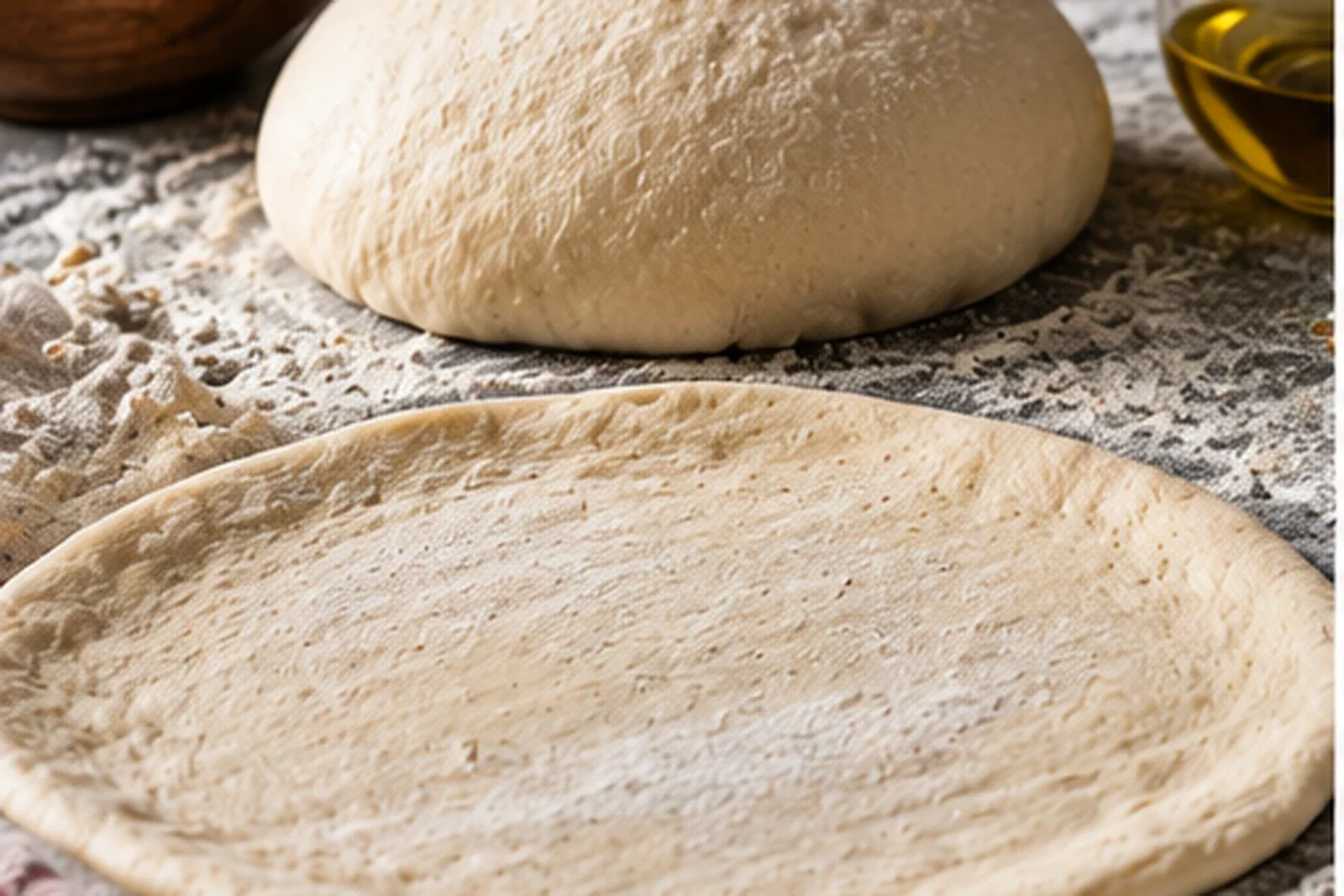
The dough should be soft, smooth and puffy after fermentation, then stretch gradually into a round without ripping or snapping back aggressively.
Ingredients
What you need
Dough
- 360 g all-purpose flour
- 8 g table salt
- 6 g instant yeast
- 220 ml lukewarm water — Add a little more only if needed for a soft dough.
- 25 g olive oil
- 4 g granulated sugar
Method
Cook by the cues, not just the clock
Mix
Combine flour, salt, yeast, water, oil and sugar and mix until no dry flour remains.
Develop dough
Knead until the dough becomes cohesive and smoother, stopping before it turns hot or overly tight.
First rise
Cover and let rise until very puffy, about 1 to 1 1/2 hours depending on dough temperature.
Divide and rest
Divide into two balls, cover and rest 15 minutes before shaping; if refrigerated, allow time to warm and relax.
Shape
Press and stretch gradually from the center outward, rotating often and preserving a thicker rim.
Critical checkpoints
Stop here and check
After rise: visibly puffy?
The dough has expanded clearly and feels aerated.Use pizza-dough-not-rising if the raw dough barely expands.
During shaping: relaxed enough?
The dough stretches a little farther each pass instead of snapping back.Rest it covered if the gluten fights back.
Dough tearing?
Holes open during ordinary hand stretching.Use pizza-dough-tearing-when-stretching to separate weak gluten, cold dough, tight gluten, overproofing and local over-stretching.
If yours looks different
Route the failure before changing the recipe
Why Won’t My Pizza Dough Rise?
Why Is My Pizza Dough Tearing When I Stretch It?
After cooking
Storage, reheating & substitutions
Storage
After the initial rise, refrigerate covered for up to about 24 hours for the source-style schedule, or freeze portions for longer storage.
Reheating
Not applicable. Bring refrigerated dough toward room temperature before shaping.
Substitutions
Use instant or active dry yeast. All-purpose flour gives a versatile home-oven dough; bread flour produces a chewier structure and may need a small hydration adjustment.
Evidence
Sources & methodology
Technical claims and method decisions are tied to sources. Recipe-specific advice is not presented as a universal food-science law.
- How to make homemade pizza: a beginner's guideKing Arthur Baking
King Arthur explains that flour strength affects pizza dough structure and stretchability and recommends a basic all-purpose-flour dough for standard home pizza.
publisherPassage verified - Pizza Crust RecipeKing Arthur Baking
King Arthur uses a soft yeast dough, lets it rise until very puffy and builds in covered rests when the dough resists shaping.
publisherPassage verified