Before you start
What this method is trying to achieve
Pulled pork is a tenderness recipe, not a clock-only recipe. Pork shoulder needs a long low cook for its connective tissue to soften. Keep cooking while the meat is still moist but resistant; once it shreds easily, stop and use concentrated cooking juices to restore flavor without making the pork soupy.
Success looks like
Know the target before you cook
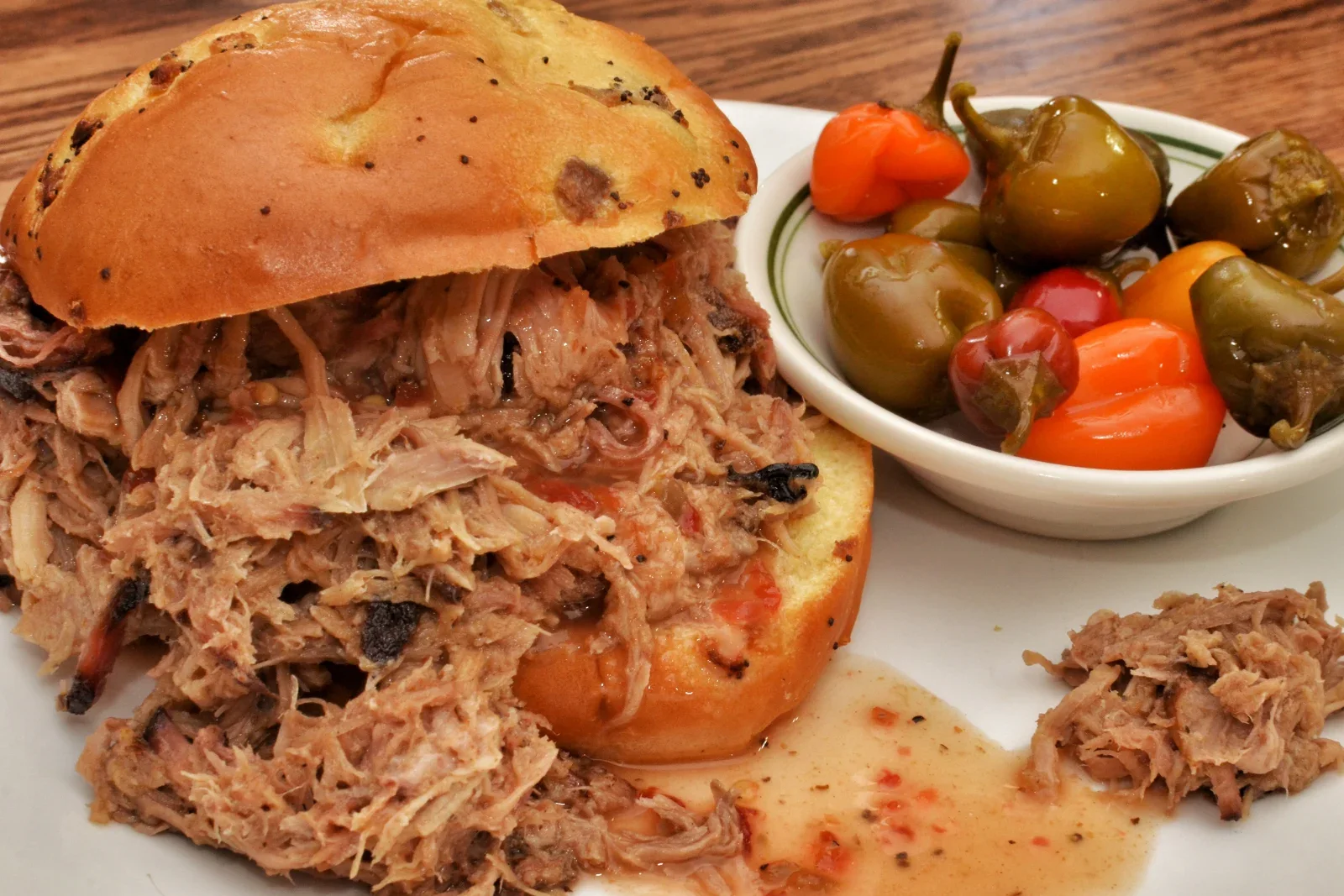
The shoulder should pull apart easily with forks, stay moist in strands and carry concentrated pork flavor without swimming in thin liquid.
Ingredients
What you need
Pork
- 1.6 kg boneless pork shoulder, about 3 1/2 lb; excess surface fat trimmed
Rub
- 2 tbsp light brown sugar
- 2 tsp smoked paprika
- 1 tsp ground cumin
- 2 tsp kosher salt
Browning
- 2 tsp neutral oil
Cooking liquid
- 120 ml apple cider vinegar, 1/2 cup
- 2 tbsp tomato paste
- 240 ml water, 1 cup
Method
Cook by the cues, not just the clock
Season the shoulder
Mix brown sugar, paprika, cumin and salt, then rub the mixture over the pork shoulder.
Brown the pork
Heat oil in a skillet and brown the shoulder on several sides, then transfer it to the slow cooker.
Cook low and slow
Whisk vinegar, tomato paste and water into the cooker. Cover and cook on low until the pork is very tender, about 8 hours for a 3- to 4-pound shoulder.
Reduce the juices
Transfer the pork to a board. Strain the cooking liquid into a saucepan, skim excess fat and boil until noticeably reduced.
Shred and moisten
Shred with two forks, discard large pieces of fat and toss the meat with enough reduced cooking liquid to stay juicy.
Critical checkpoints
Stop here and check
Before cooking: shoulder or lean loin?
The cut is pork shoulder/Boston butt with visible connective tissue and some fat.Do not substitute tenderloin or loin for classic pulled-pork texture.
At the end of the low cook: fork twists easily?
A fork rotates with little resistance and the meat separates into strands.If it is still moist but stubborn, continue cooking and recheck rather than forcing the shred.
After shredding: moist or soupy?
The meat is glossy and moist but not sitting in a pool of thin liquid.Use reduced cooking juices in controlled amounts.
If yours looks different
Route the failure before changing the recipe
After cooking
Storage, reheating & substitutions
Storage
Cool promptly and refrigerate the pork with enough cooking juices to keep it moist.
Reheating
Reheat gently with reserved reduced juices or sauce until hot throughout.
Substitutions
Use pork shoulder or Boston butt. Lean pork loin or tenderloin does not behave like shoulder in a pulled-pork recipe.
Evidence
Sources & methodology
Technical claims and method decisions are tied to sources. Recipe-specific advice is not presented as a universal food-science law.
- Slow-Cooker Pulled Pork SandwichesFood Network Kitchen
Food Network uses boneless pork shoulder, cooks it on low for eight hours, reduces the strained cooking liquid and tosses the shredded pork with the reduction.
publisherPassage verified - Slow-Cooker Pulled Pork SandwichesFood Network Kitchen
Food Network cooks pork shoulder on low for seven hours, shreds it with forks and crisps the pork before serving.
publisherPassage verified