Before you start
What this method is trying to achieve
Cream cheese frosting is naturally softer than a high-sugar decorating buttercream, so consistency control matters. Beat the butter and cream cheese smooth first, add confectioners' sugar gradually, and treat extra milk as an adjustment rather than a required ingredient. Apply the frosting to completely cooled cake.
Success looks like
Know the target before you cook
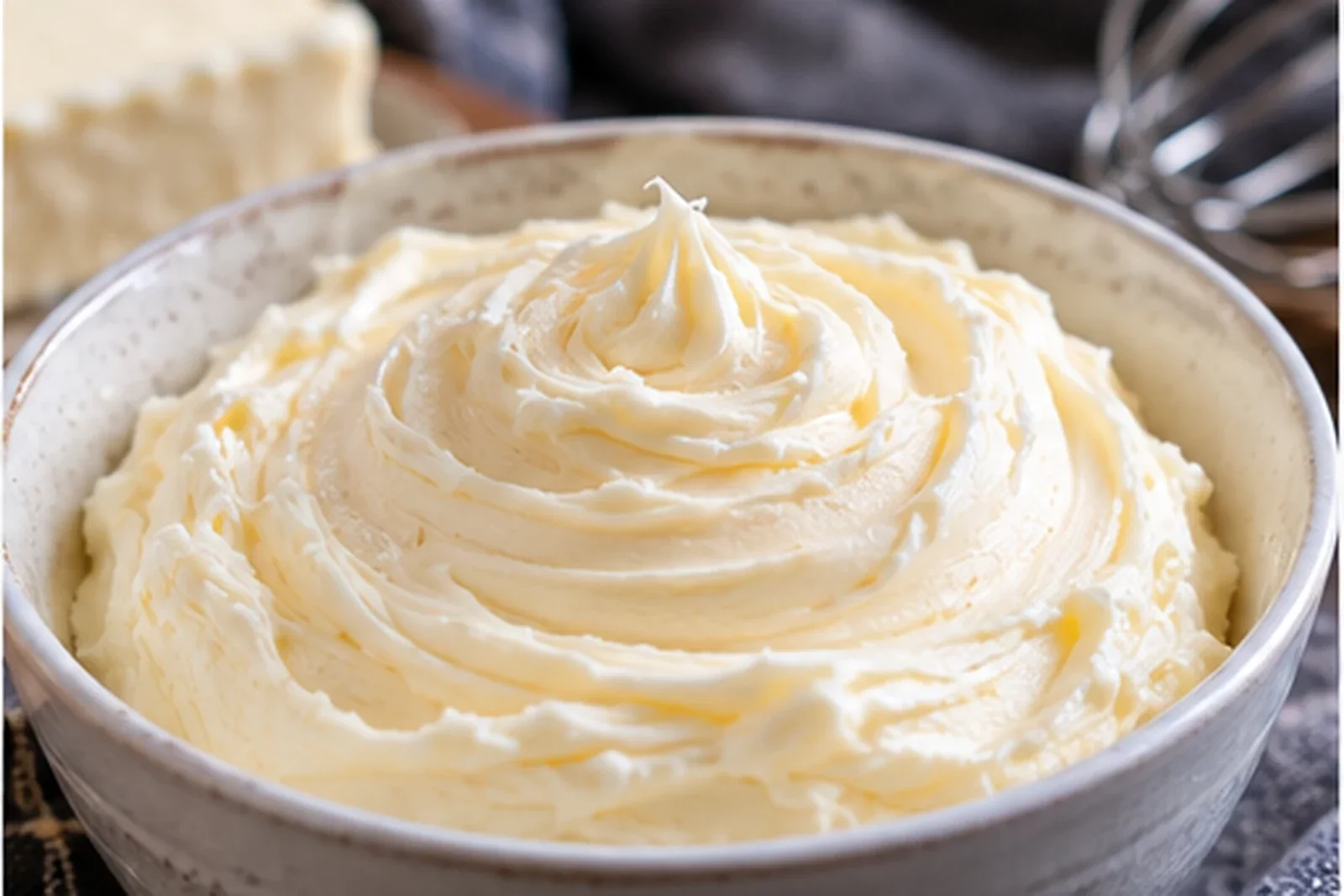
The frosting should be smooth, tangy and spreadable, holding a soft ridge from a spatula without pouring or pooling around the cake.
Ingredients
What you need
Frosting
- 85 g unsalted butter, softened
- 227 g full-fat block cream cheese, softened — Use block-style cream cheese for predictable structure.
- 1 tsp vanilla extract
- 400 to 450 g confectioners' sugar, sifted — Start at the lower end and adjust.
Adjustment
- 0 to 30 ml milk — Optional; add only if the finished frosting is too stiff to spread.
Method
Cook by the cues, not just the clock
Make smooth base
Beat the butter, cream cheese and vanilla together until smooth and light.
Add sugar gradually
Add the confectioners' sugar in several additions on low speed, beating until smooth after each addition.
Adjust carefully
If the frosting is firmer than you want, add milk a teaspoon at a time until it becomes spreadable. If it is already soft and smooth, add no milk.
Chill if needed
If the frosting is too soft for your intended application, cover and refrigerate briefly, then stir or beat gently until spreadable.
Apply to cool cake
Frost only fully cooled or chilled cake layers and keep the finished cake refrigerated as appropriate for cream cheese frosting.
Critical checkpoints
Stop here and check
Before sugar: is the cream-cheese base smooth?
Butter and cream cheese are fully blended with no visible lumps.Finish smoothing the base before adding confectioners' sugar.
Before adding milk: is the frosting already spreadable?
The frosting makes smooth ridges and spreads without tearing the cake.If yes, stop. Do not add milk just because a range is listed in the ingredient notes.
If it slumps: loose in the bowl or only moving on the cake?
A loose bowl of frosting points to frosting consistency; frosting that holds in the bowl but moves on cake points first to cake/frosting temperature.Use the specific CookClue diagnosis that matches what you observe.
If yours looks different
Route the failure before changing the recipe
Why Is My Cream Cheese Frosting Runny?
Why Is My Frosting Sliding Off My Cake?
After cooking
Storage, reheating & substitutions
Storage
Keep refrigerated because the frosting contains cream cheese. Bring only the amount needed for decorating toward a workable cool temperature.
Reheating
Do not heat cream cheese frosting.
Substitutions
Do not replace block-style cream cheese with a soft spreadable tub product and expect identical structure; water content and stabilizers differ.
Evidence
Sources & methodology
Technical claims and method decisions are tied to sources. Recipe-specific advice is not presented as a universal food-science law.
- Cake GuideKing Arthur Baking
King Arthur's cake guide stresses that temperature matters for cake and frosting, advises never frosting a warm cake, and recommends cool cake layers and appropriately cool frosting for easier icing.
publisherPassage verified - Cream Cheese FrostingKing Arthur Baking
King Arthur's current cream-cheese frosting combines softened butter, cream cheese and vanilla, adds confectioners' sugar gradually, and adds milk only as needed to reach a spreadable consistency.
publisherPassage verified