Before you start
What this method is trying to achieve
Lasagna soup can turn into a thick pasta mass when the wrong noodle or too much hot holding is involved. Use traditional lasagna noodles rather than no-boil sheets, cook them just shy of fully soft, and combine with the soup only for the final minutes.
Success looks like
Know the target before you cook
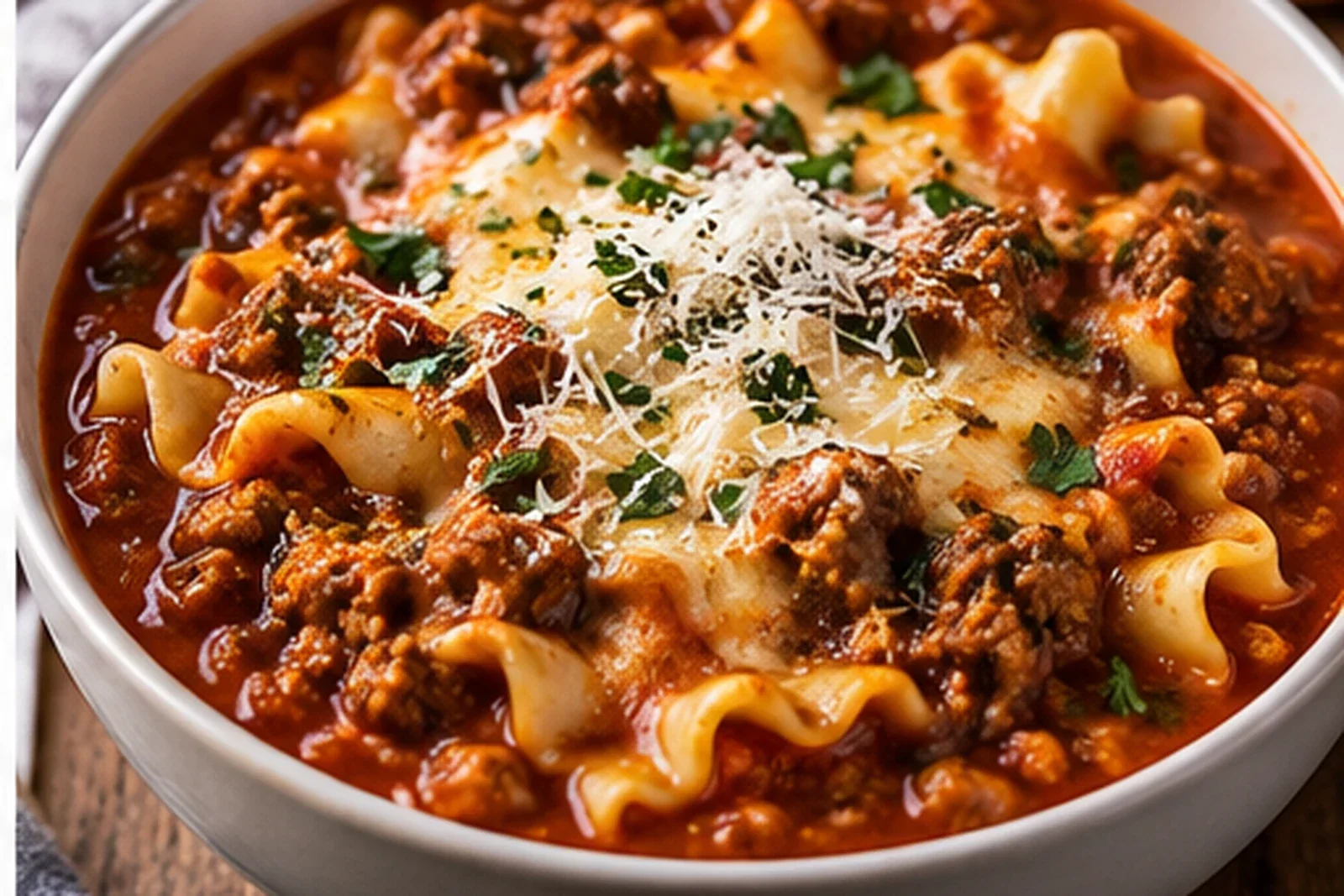
The soup should remain spoonable with distinct pieces of pasta, browned meat and a tomato-rich broth, finished with Parmesan and ricotta.
Ingredients
What you need
Pasta
- 225 g traditional lasagna noodles, broken into spoon-size pieces — About 8 oz; avoid no-boil sheets.
Base
- 1 tbsp extra-virgin olive oil — Plus a little for drained noodles.
- 1 medium onion, diced
- 3 cloves garlic, minced
Meat
- 225 g Italian sausage, casings removed — Hot or sweet.
Seasoning
- 1 tsp dried oregano
Sauce
- 2 tbsp tomato paste
Liquid
- 950 ml low-sodium chicken broth — About 4 cups.
Tomato
- 425 g crushed or diced tomatoes — About 15 oz.
Finish
- 1/2 cup fresh basil, chopped
- 35 g Parmesan cheese, finely grated — About 1/3 cup.
- 60 ml heavy cream or half-and-half — About 1/4 cup.
- ricotta cheese — For topping.
Method
Cook by the cues, not just the clock
Cook pasta separately
Boil the broken traditional lasagna noodles in salted water until just shy of fully tender. Drain, toss very lightly with olive oil and set aside.
Brown the base
Heat olive oil in a Dutch oven. Cook the onion until softened, then add sausage, garlic and oregano and cook until the sausage is browned and broken into small pieces.
Cook tomato paste
Stir in the tomato paste and cook until it darkens slightly and coats the bottom of the pot.
Simmer soup
Add broth, tomatoes and about 240 ml / 1 cup water. Bring to a simmer and cook uncovered for about 10 minutes until slightly reduced.
Finish with pasta
Stir in the cooked noodles, basil, Parmesan and cream and simmer only about 2 minutes to heat through. Serve with ricotta and extra basil.
Critical checkpoints
Stop here and check
Pasta type: traditional, not no-boil?
The noodles are conventional dried lasagna noodles with a normal boiling time.Avoid no-boil sheets for this soup if gummy pasta is a concern.
Before adding to soup: noodles just shy of tender?
They bend and bite cleanly but are not extremely soft.Drain now; the final hot soup gives them a little more cooking.
Pasta turning gummy?
The lasagna pieces become sticky, swollen or lose their distinct structure.Use CookClue's pasta-gummy diagnosis to check overcooking, hot holding and hydration.
If yours looks different
Route the failure before changing the recipe
After cooking
Storage, reheating & substitutions
Storage
For best texture, refrigerate extra noodles separately from the soup base when possible.
Reheating
Reheat the soup base gently and add noodles near the end. Add broth if stored noodles have absorbed liquid.
Substitutions
Mini shells, paccheri or orecchiette can replace lasagna noodles; avoid no-boil or very quick-cooking pasta for this method.
Evidence
Sources & methodology
Technical claims and method decisions are tied to sources. Recipe-specific advice is not presented as a universal food-science law.
- Lasagna SoupFood Network Kitchen
Food Network Kitchen recommends traditional rather than no-boil lasagna noodles for soup, cooks the pasta separately, browns sausage and tomato paste, then gently simmers the broth before combining.
publisherPassage verified - Lasagna SoupRee Drummond / Food Network
Food Network's Ree Drummond version cooks broken lasagna noodles about one minute less than package directions, then gives them a short final simmer in the soup.
publisherPassage verified